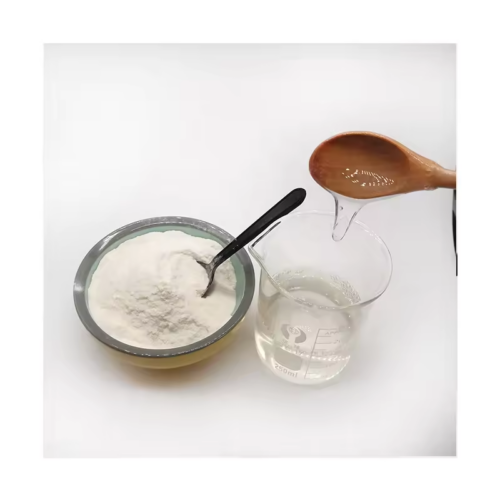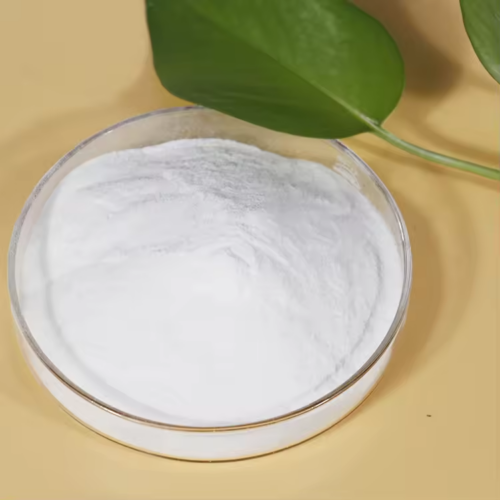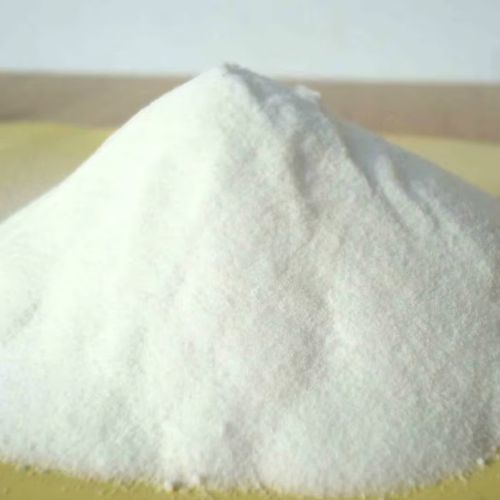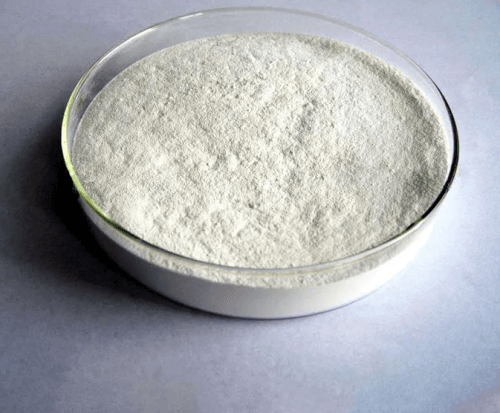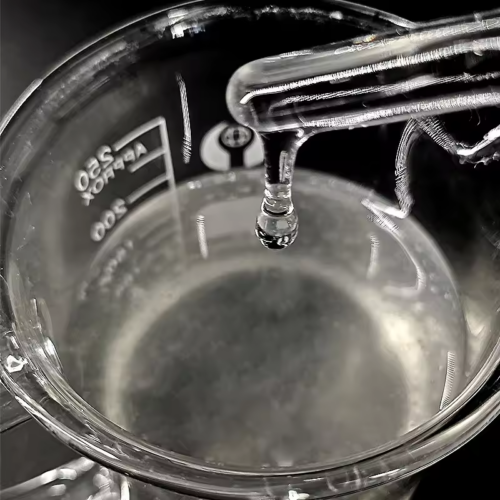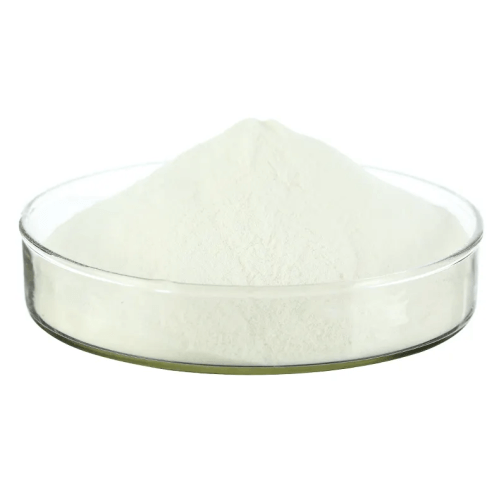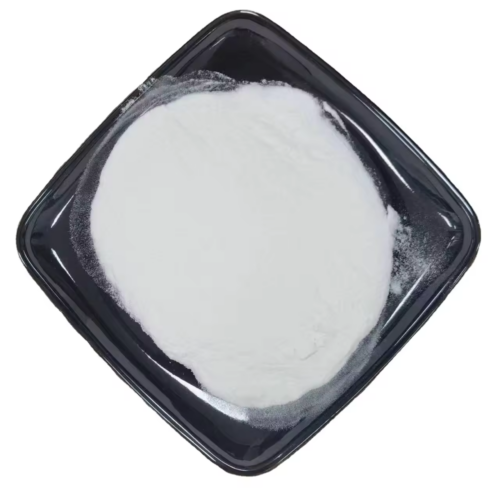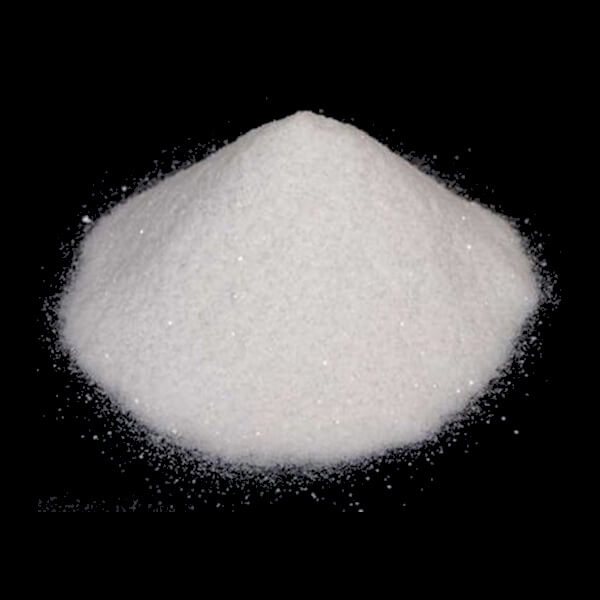
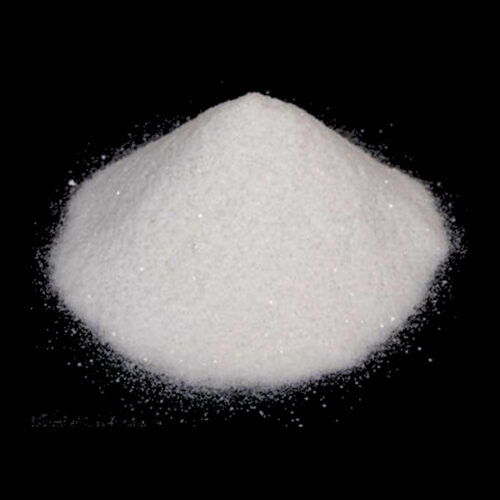
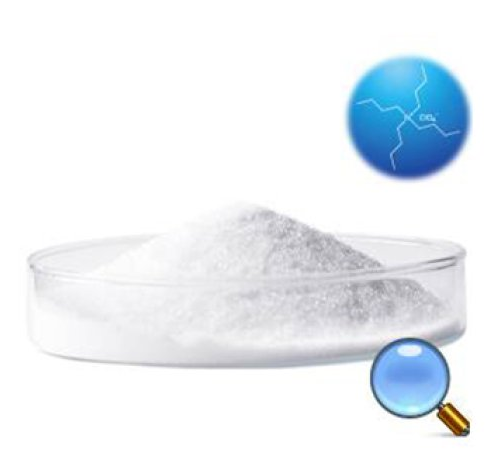
Carboxymethyl cellulose (CMC) is a non-toxic, odorless, white, flocculent powder. It is stable, readily soluble in water, and its aqueous solution is a neutral or alkaline, transparent, viscous liquid. It is soluble in other water-soluble adhesives and resins but insoluble in organic solvents such as ethanol. CMC can be used as an adhesive, thickener, suspending agent, emulsifier, dispersant, stabilizer, and sizing agent.
Carboxymethyl cellulose (CMC) is the most widely produced, used, and convenient cellulose ether product, commonly known as “industrial monosodium glutamate.”
1. Uses in oil and gas drilling and well excavation:
① CMC-containing drilling mud can form a thin, strong, and low-permeability filter cake on the well wall, reducing water loss.
② Adding CMC to drilling mud allows the drilling rig to achieve a lower initial shear force, making it easier to release trapped gas and quickly discard debris into the mud pit.
③ Like other suspensions and dispersions, drilling mud has a certain shelf life. Adding CMC can stabilize it and extend its shelf life.
④ Drilling mud containing CMC is rarely affected by mold, therefore, it does not require maintaining a high pH value or using preservatives.
⑤ CMC-containing drilling mud, when used as a well washing fluid treatment agent, can resist contamination by various soluble salts.
⑥ CMC-containing drilling mud has good stability and can reduce water loss even at temperatures above 150℃.
High-viscosity, high-substitution-degree CMC is suitable for mud with lower density, while low-viscosity, high-substitution-degree CMC is suitable for mud with higher density. The selection of CMC should be determined based on different conditions such as mud type, region, and well depth.
2. Uses in the textile and dyeing industries: The textile industry uses CMC as a sizing agent for sizing lightweight yarns in cotton, silk, wool, chemical fibers, and blended fabrics.
3. Uses in the paper industry: CMC can be used as a paper surface smoothing agent and sizing agent in the paper industry. Adding 0.1%–0.3% CMC to pulp can increase paper’s tensile strength by 40%–50%, compressive breaking strength by 50%, and flexibility by 4–5 times.
4. CMC can be added to synthetic detergents as a dirt absorbent; in daily chemicals such as toothpaste, CMC-glycerol aqueous solution is used as a toothpaste binder; in the pharmaceutical industry, it is used as a thickener and emulsifier; CMC aqueous solution, after thickening, is used in flotation, etc.
5. In the ceramics industry, it can be used as an adhesive for blanks, a plasticizer, a suspending agent for glazes, and a color-fixing agent.
6. In construction, it improves water retention and strength.
7. In the food industry, high-displacement CMC is used as a thickener in ice cream, canned goods, and instant noodles, and as a foam stabilizer in beer. It is also used as a thickener, binder, or shaping agent in the processing of jams, syrups, fruit syrups, desserts, and ice cream drinks.
8. In the pharmaceutical industry, CMC of appropriate viscosity is selected as a binder and disintegrant for tablets, and a suspending agent for suspensions.