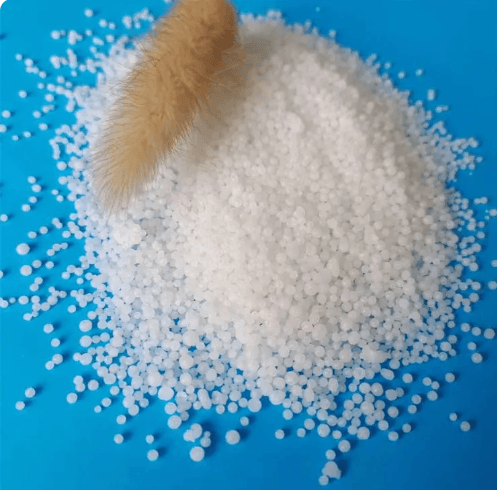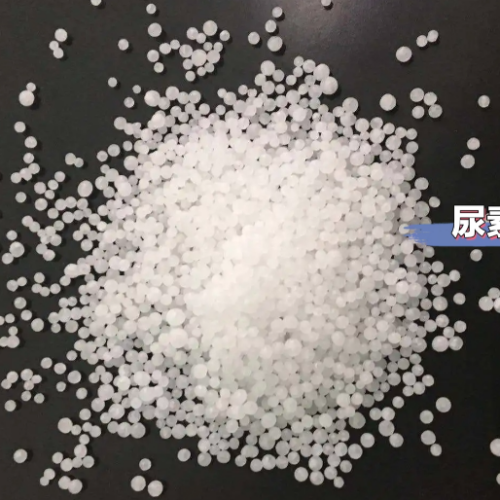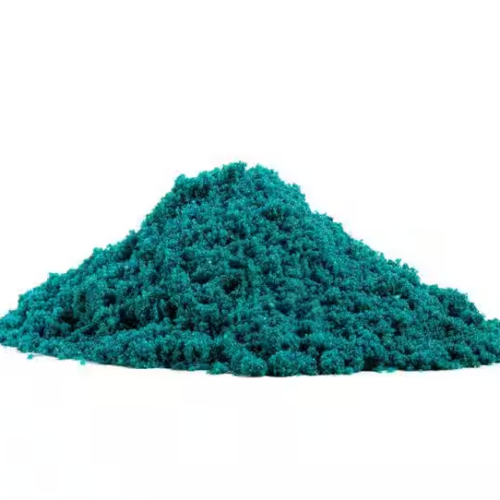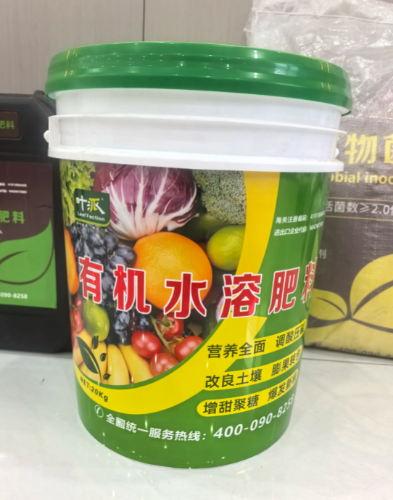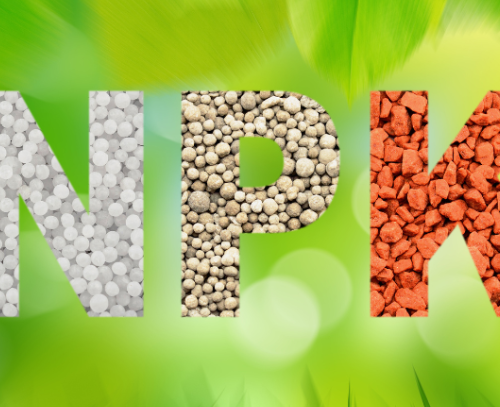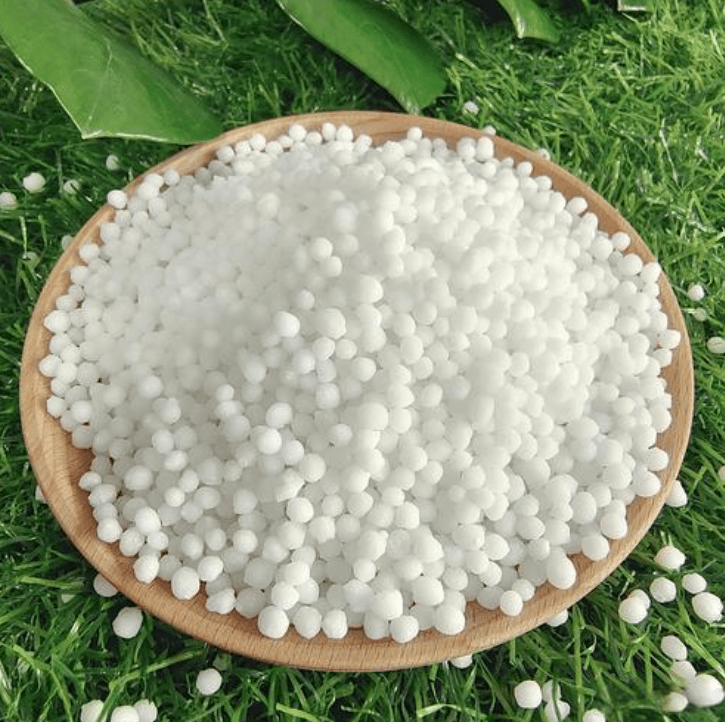
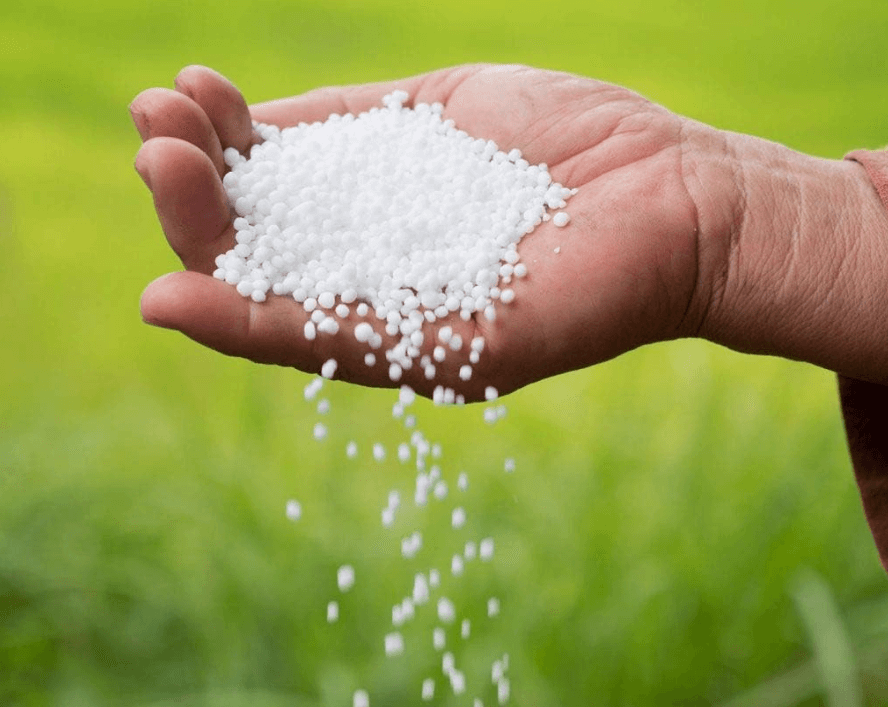
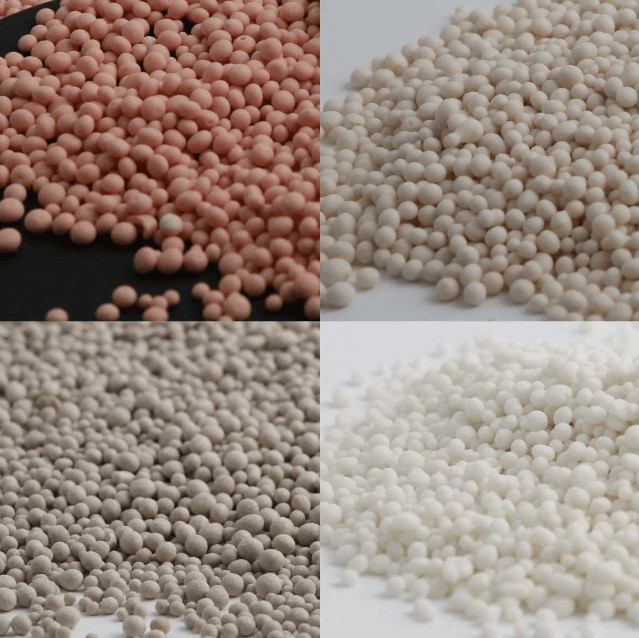
Chemical fertilizers are generally categorized into two types: macronutrient fertilizers and micronutrient fertilizers. What exactly are macronutrient fertilizers? They are fertilizers containing nutrients that crops absorb and consume in large quantities; examples include nitrogen, phosphorus, potassium, calcium, magnesium, and sulfur fertilizers.
Micronutrient fertilizers—often simply called “micro-fertilizers”—contain trace nutrients that crops absorb and consume in relatively small amounts (compared to macronutrients). Although crops require only minute quantities of these elements, they are just as vital as macronutrients and cannot substitute for one another. The effectiveness of micro-fertilizers relies on the presence of nitrogen, phosphorus, and potassium fertilizers; furthermore, crop responses to micronutrients vary depending on the levels of nitrogen, phosphorus, and potassium present. Generally, low-yield soils are prone to micronutrient deficiencies, whereas in high-yield soils, the crop’s demand for micronutrients rises alongside increasing yield levels. Therefore, supplemental application of micro-fertilizers is essential; however, it is a mistake to attempt to achieve high yields solely by increasing micro-fertilizer application while reducing the use of macronutrient fertilizers.
Micro-fertilizers are chemical products applied in agriculture that contain trace nutrients—such as boron, zinc, manganese, molybdenum, copper, iron, and cobalt—which extensive scientific research has proven to be biologically significant and indispensable for normal plant growth and development. The approximate percentage of these micronutrients in a crop’s dry matter is as follows: manganese 0.05%, iron 0.02%, zinc 0.01%, boron 0.005%, copper 0.001%, and molybdenum 0.0001%. If the soil fails to supply a sufficient amount of any single plant-available micronutrient, the crop will exhibit specific deficiency symptoms, resulting in reduced yields, poorer quality, or even total crop failure. One might ask: given their importance, why are micro-fertilizers not applied in actual agricultural production?