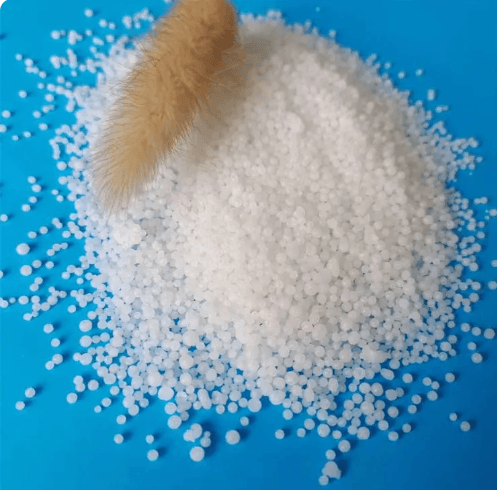
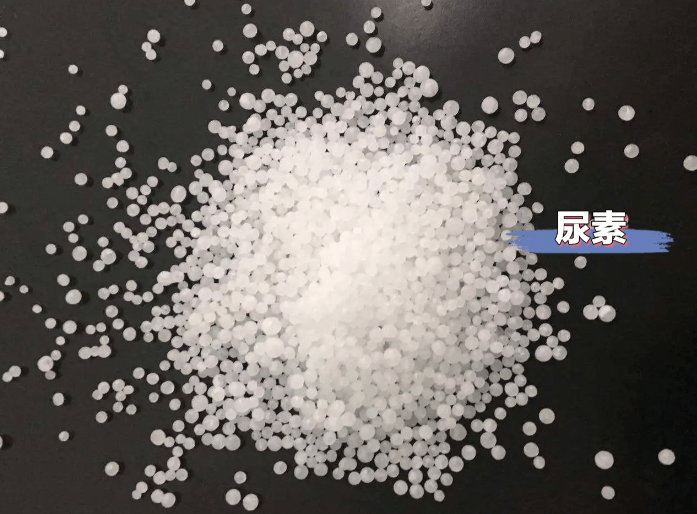
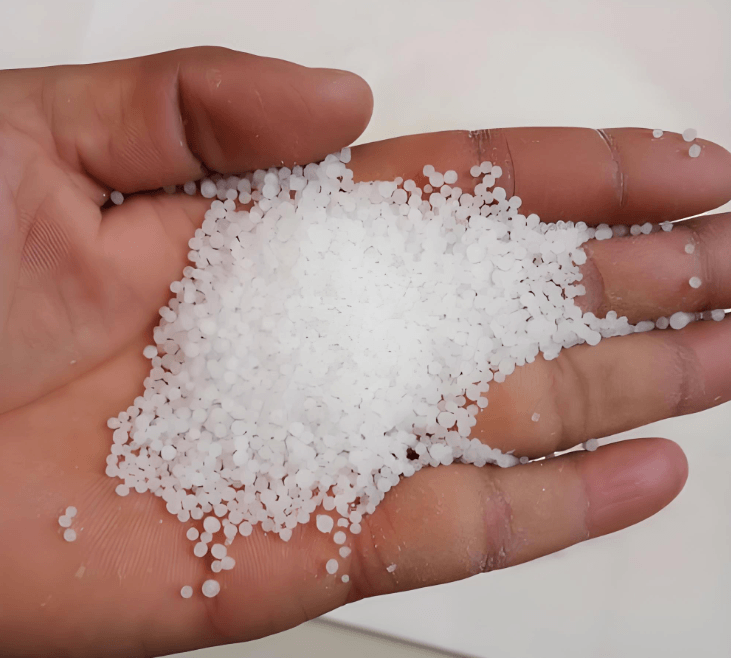
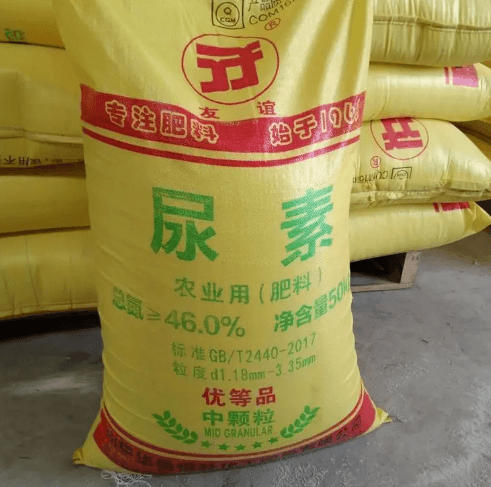
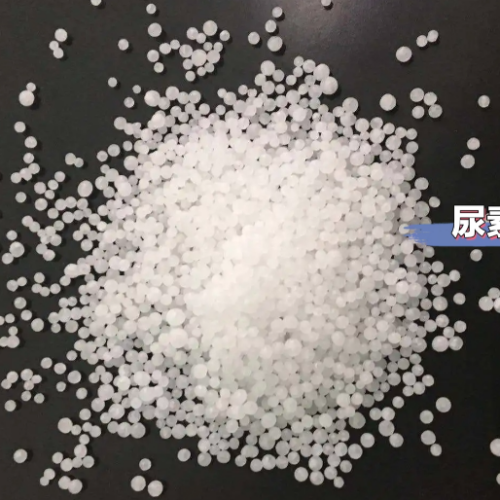
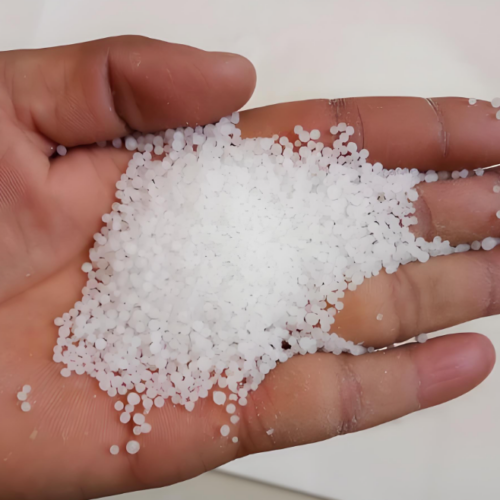
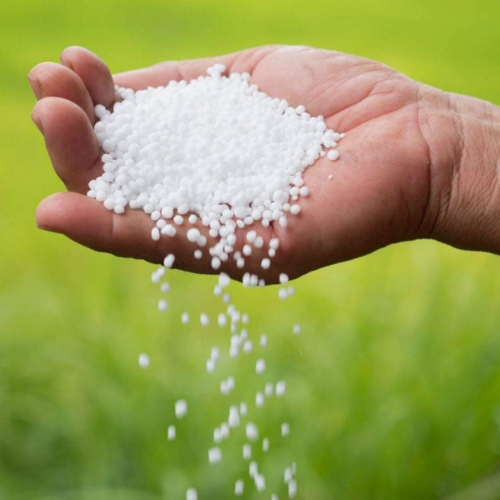
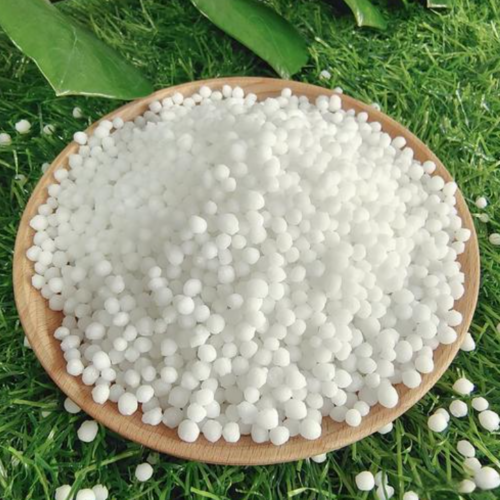
Urea—also known as carbamide—has the chemical formula CH₄N₂O or CO(NH₂)₂. It is a white, odorless, and tasteless crystalline solid that is readily soluble in water, ethanol, and benzene, while being slightly soluble in diethyl ether and chloroform. As one of the simplest organic compounds, urea serves as the primary nitrogen-containing end product of protein metabolism in mammals and certain fish. It finds application as a chemical fertilizer, animal feed supplement, explosive component, glue stabilizer, and chemical feedstock, among other uses. The substance was named “urea” due to its presence in human urine. As a neutral fertilizer, urea is suitable for use with all types of soils and plants. It is easy to store, convenient to apply, and causes minimal adverse impact on the soil; consequently, it is one of the most widely utilized chemical nitrogen fertilizers. With a nitrogen (N) content of 46%, urea boasts the highest nitrogen concentration among all solid nitrogen fertilizers. Industrially, urea is synthesized from ammonia and carbon dioxide under specific reaction conditions.